
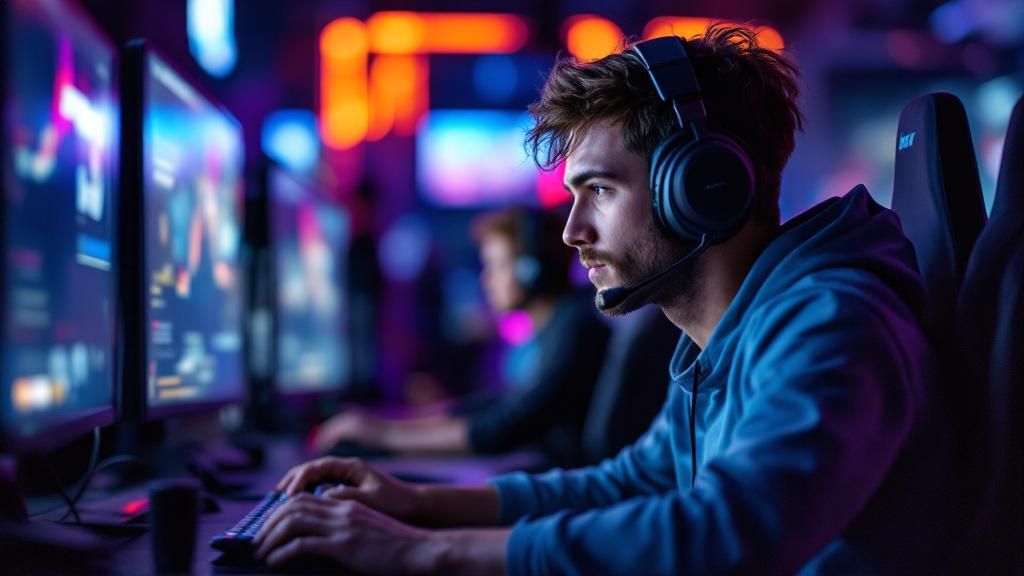
The dynamic esports industry has undergone a notable transformation, with professional teams now understanding mental health as essential to player performance and wellbeing. Gone are the days when organisations prioritised only gaming prowess; modern leading esports franchises allocate considerable resources to psychological support, therapeutic assistance, and wellness programmes. This article investigates how leading organisations are championing mental health initiatives, the difficulties players face, and why this shift constitutes a fundamental evolution in professional gaming culture.
The Increasing Importance of Psychological Health in Competitive Gaming
The thriving esports landscape has undergone a profound shift in recent years, with psychological wellbeing emerging as a essential element of player development and organisational performance. Professional teams now recognise that mental toughness is just as vital as mechanical skill and tactical understanding. This acknowledgement stems from growing research that mental wellbeing directly influences results, reliability, and career sustainability within the industry. As competitive pressure grows and prize pools expand, players encounter intense demands, making comprehensive psychological assistance an essential investment rather than an supplementary consideration for ambitious teams.
The shift towards prioritising mental health indicates a more extensive development of esports as a established sporting discipline. Major franchises have commenced deploying broad-based health programmes that manage pressure control, fatigue avoidance, and emotional resilience. These measures acknowledge the distinctive mental challenges of professional esports, including extended training schedules, public scrutiny, and the constant pursuit of excellence. By fostering supportive environments and delivering expert psychological support, leading teams demonstrate their focus on player protection whilst also improving their competitive advantage through improved focus, decision-making, and overall performance.
Extensive Psychological Support Programmes in Leading Organisations
Leading esports entities have developed comprehensive psychological support structures that go well past basic wellness initiatives. These full-scale initiatives integrate expert therapeutic support, stress management training, and peer support systems tailored specifically to the distinctive challenges of competitive gaming. Teams acknowledge that sustained performance demands emotional strength alongside competitive ability, prompting investment in dedicated mental health infrastructure that compares with traditional sports organisations.
Expert Counselling and Therapy Support
Elite esports franchises now recruit qualified mental health professionals and mental health professionals who specialise in sports performance and sports psychology. These experts work directly with players to address performance anxiety, mental fatigue, burnout, and the psychological toll of intense competitive environments. Frequent private consultations provide private guidance, helping players to establish mental frameworks and sustain mental stability throughout intense competitive periods.
Moreover, many organisations make available specialist therapeutic approaches including cognitive-behavioural therapy and mindfulness-based approaches. These research-supported approaches help players manage competitive anxiety, enhance focus, and develop emotional regulation skills. By normalising discussions about mental health in team contexts, franchises have successfully reduced stigma and prompted players to actively seek support rather than enduring in silence.
Stress Management and Resilience Training
Thorough pressure management programmes furnish players with practical tools for managing the intense pressures inherent in professional esports. Training sessions include breathing techniques, muscle relaxation techniques, and cognitive reframing strategies designed to minimise match-related anxiety. These programmes allow players to stay composed during pressure-filled matches and recuperate efficiently between competitions, ultimately improving reliability and career durability.
Resilience training constitutes another cornerstone of modern mental health support, devoted to developing psychological strength and flexibility. Coaches teach players to reinterpret difficulties as growth experiences, build confidence through structured goal-setting, and foster emotional strength. By integrating these strength-development strategies into established team practices, organisations foster cultures where emotional advancement parallels technical development, developing well-rounded competitors able to performing under strain.
Influence on Player Output and Team Success
The inclusion of extensive psychological services has delivered measurable gains in athlete performance across professional gaming teams. Teams working with sports psychologists report sharper mental clarity, improved decision-making during intense competitive play, and enhanced stability in competitive play. Players gain advantages through stress management techniques and mood management approaches, helping them maintain optimal mental performance throughout rigorous tournament circuits. This mental preparation directly translates to winning edges, as psychologically prepared players perform with greater consistency when stakes are highest.
Organisational achievement increasingly demonstrates a connection to investment in player wellbeing programmes. Franchises offering robust mental health resources achieve better athlete retention, lower absence rates from burnout, and stronger team cohesion. The psychological support infrastructure establishes safer spaces where athletes speak candidly about challenges, building confidence between coaching staff and athletes. This transparency enables prompt action when difficulties arise, preventing minor issues from becoming severe difficulties that might damage both personal development and collective results during important competitive windows.
Looking forward, mental health support represents a fundamental competitive necessity rather than a luxury amenity in professional esports. Teams emphasising psychological wellbeing draw in higher-calibre talent, maintain healthier rosters, and achieve sustained competitive success. As the industry matures, organisations recognising this connection will establish themselves as market leaders, setting standards that redefine professional gaming excellence beyond mere technical skill to encompass comprehensive player development and long-term career sustainability.
